


7 Ways to Connect With Country Artists Online
Last Updated: October 26, 2026
Quick Summary
To connect with country artists online, start with their official website, verified social media accounts, and business contact pages. You can also reach out through direct messages on Instagram, Facebook, or Twitter using professional templates, join fan communities on Reddit and Discord, build a profile on music networking platforms like ReverbNation, and support independent artists by streaming and sharing their music.
Research the artist's profile and use official business email or contact form instead of DMs when available.
Keep first messages under 150 words and follow up only once after 10-14 days before moving on.
Join Reddit subreddits, Facebook groups, and Discord servers dedicated to country music for authentic fan engagement.
Register your songs with the U.S. Copyright Office and use split sheets before collaborating to protect your work.
Never pay fees for pitch guarantees, listening fees, or artist contact, legitimate artists and managers don't charge for inbound messages.
Table of Contents
Why Connecting With Country Artists Online Matters
Connecting with country artists online has become essential for fans who want more than a concert experience. Whether you're a devoted listener, an aspiring songwriter, or someone seeking genuine relationships with musicians, the digital landscape offers real pathways.
Many fans feel disconnected from the artists they follow, and social media can feel one-sided.
This guide covers seven concrete ways to connect with country artists online, from contacting artists through official channels to protecting yourself from common pitfalls.
How to Contact Country Music Artists Through Official Channels
The easiest path to connect with country artists is through their official channels: verified social media accounts, official websites, and sometimes dedicated fan contact pages.
Start with the artist's official website and look for a "Contact" or "Press" page.
Check their verified social media accounts next.
Some artists maintain email addresses for fan inquiries. If you find one, use it, email is more formal than a DM.
Booking agents and managers are also findable online; sites like IMDb Pro list management information for musicians.
How to Message a Musician Professionally on Social Media
Direct messages are how most fans and songwriters actually reach country artists, but the difference between a reply and a block often comes down to process.

Step 1: Research Before You Write
Spend five minutes on the artist's profile before you type. Note their latest release, a recent live clip, and whether the bio lists a manager, booking agent, or business email. If a business email is listed, use it instead of a DM. If the bio says "DMs closed" or "contact management only," use the listed route.
Step 2: Pick the Right Channel
Business email or website contact form: best for song pitches, booking, and collaboration requests.
Instagram or Facebook DM: best for short, personal fan messages or a brief introduction when no business contact is listed.
X (Twitter) reply or DM: best for quick public engagement; keep DMs short and specific.
TikTok comment or DM: best for reacting to a specific video; DMs are often filtered, so don't rely on them for business.
Step 3: Use a Template You Can Adapt
Keep every first message under 150 words. These three templates cover the most common intents.
Fan thank-you (short and specific):
Hi [Artist Name], I'm [Your Name] from [City, State]. Your song "[Song Title]" has been on repeat since [Month].
Collaboration request (songwriter to artist):
Hi [Artist Name], I'm [Your Name], a songwriter based in [City, State].
Song pitch to management (when a business contact is listed):
Hi [Manager Name], I'm [Your Name], a songwriter in [City, State].
Step 4: Follow Up Once, Then Stop
If you don't hear back in 10-14 days, send one follow-up: two or three sentences, referencing the original message and adding one new piece of information (a new demo, a recent show, a relevant credit). Do not resend the same message.
After one follow-up, stop. A non-response is a response. Move on to the next artist on your list, persistence across many artists beats pestering one.
Track every outreach in a simple spreadsheet: artist name, channel used, date sent, follow-up date, response (yes/no), and outcome. After 20-30 sends you'll see which channel and template get replies, that data is worth more than any generic advice.
Step 5: Know When to Stop Entirely
Stop outreach to a specific artist if: they've said DMs are closed, they've asked not to be contacted, you've sent one follow-up with no reply, or the only contact route requires payment. None of those are personal, they're just signals to redirect your effort.
Never pay a fee to "guarantee" a reply, a listen, or a meeting with an artist. Legitimate artists and managers don't charge for inbound messages. If a DM asks for payment before offering anything, treat it as a scam and report the account. Maintaining professional boundaries protects your reputation while you focus on authentic methods to grow your fan base through consistent engagement and quality music.
Joining Country Music Fan Communities
Fan communities are where real connections happen, you meet other fans, discover new artists, and sometimes interact directly with musicians.
Reddit has active country music communities.
Discord servers have become popular for music communities, run by fans or artists themselves.
Look for fan forums on artist websites.
The key is genuine participation. Don't just lurk, share your thoughts on songs, help other fans find new music, and engage authentically.
Building Your Artist Profile on Music Networking Platforms
Platforms like SoundCloud, Spotify for Artists, and Bandcamp let you share your own music.
ReverbNation and CD Baby connect independent musicians with industry contacts. Build a profile, upload your music, and reach out to other artists, producers, and publishers.
LinkedIn is underrated for music industry networking. Many producers, booking agents, and established artists use it.
When building your profile, include these elements:
Professional photo or band image
Clear bio describing your music style and goals
Links to your best recordings
Social media handles
A complete profile gets more responses when you reach out, people want to know who they're talking to.
How to Support Independent Country Artists Online
Supporting independent artists is one of the most meaningful ways to connect.
Stream their music on Spotify, Apple Music, and YouTube, every stream counts.
Buy their music directly.
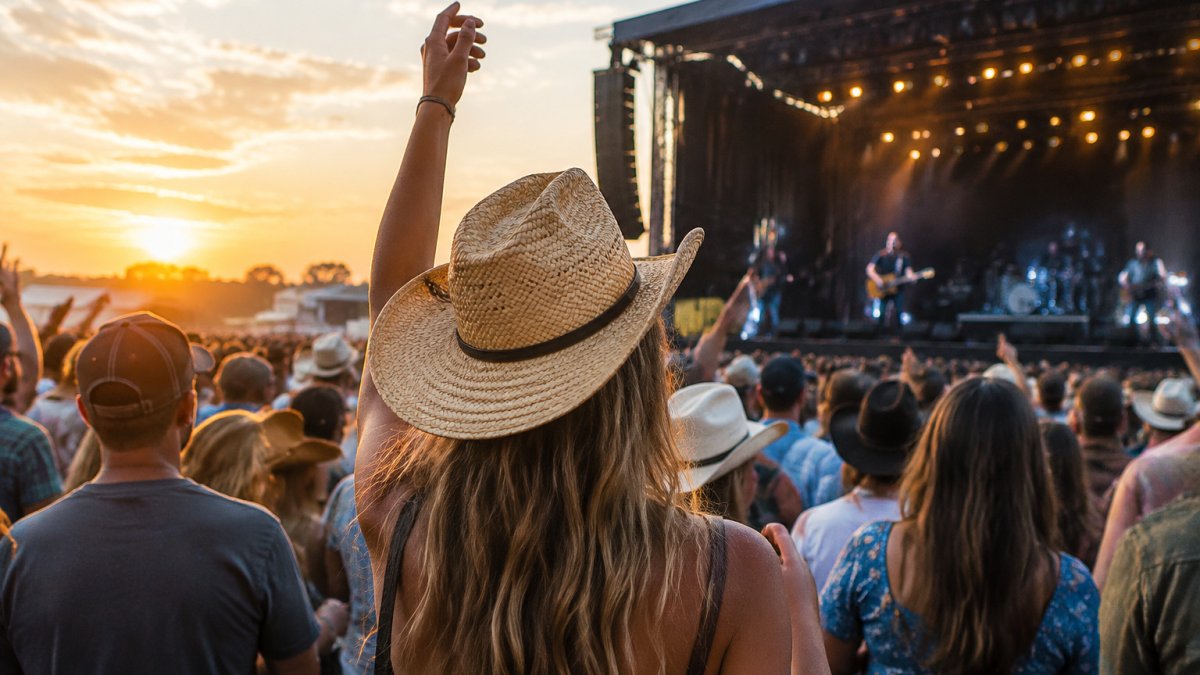
Attend their live shows. Learn about country music festivals where fans can meet and connect with artists in person. Virtual concerts, local performances, and festival appearances all matter.
Share their music on social media.
Support their merchandise. T-shirts, hats, and vinyl records help artists fund their next project.
Engage with their content. Like, comment, and share their posts.
Leave reviews and ratings on streaming platforms and music sites.
Avoiding Scams and Protecting Your Rights
Not everyone online has good intentions, and the country music space has its share of pay-to-play schemes, fake accounts, and rights grabs. This section covers concrete verification steps, rights-protection mechanics, and etiquette rules that protect both your money and your work.
Verify Before You Engage
Check the official website first. A real artist's site will list management, booking, or a contact form. If a social account claims to be an artist but the official site doesn't link to it, treat the account as unverified.
Look for platform verification. A blue check on Instagram, Facebook, or X is a signal, not a guarantee, but its absence on an account claiming to be a major artist is a red flag.
Cross-check the handle. Scammers often use near-identical handles (extra underscore, swapped letter). Compare the handle character-by-character against the artist's official site or verified account.
Search the contact's name plus "scam" or "complaint." A quick search often surfaces warnings from other writers or fans.
Recognize Common Schemes
Pay-to-play showcases and pitch fees. Legitimate publishers and labels generally do not charge songwriters to pitch. If a "publisher" asks for a submission fee, a listening fee, or a "marketing" fee before offering a deal, walk away.
Fake merchandise and ticket resale. Buy only from the artist's official store or a verified ticketing platform. Counterfeit merch funds scammers, not artists.
Advance-fee "deals." Any offer that requires you to pay taxes, legal fees, or shipping before receiving a benefit is a classic advance-fee scam.
Rights-grab collaboration requests. Be wary of collaborators who ask you to sign a broad grant of rights before you've heard their work or seen a written agreement.
Protect Your Demos and Copyrights
Register your songs with the U.S. Copyright Office (Register Your Work: Registration Portal). Registration is not required to own a copyright, but it is required to sue for infringement in federal court and to seek statutory damages and attorney's fees (Copyright in General (FAQ)). Online registration is available through the Copyright Office's portal.
Use split sheets. Before or at the moment of collaboration, write down who wrote what and what percentage each writer owns. A one-page split sheet signed by all writers prevents most disputes.
Keep dated records. Save drafts, voice memos, and email threads with timestamps. These help establish authorship if a dispute arises.
Read every agreement before signing. If a contract grants "all rights" or "perpetual" use, ask what that means in plain language. When in doubt, have an entertainment attorney review it, many state and local bar associations offer referral services.
Three habits prevent most problems: verify the contact through the official site, put every collaboration in a signed split sheet, and never pay for a promise of a listen or a deal.
Practice Professional Etiquette
Respect stated contact preferences. If an artist's bio says "no DMs" or "management only," use the listed route.
Don't send unsolicited attachments. Share a private stream link instead of attaching MP3s, which can trigger spam filters.
Credit collaborators publicly. Tag co-writers and musicians when a song is released, it builds trust for future collaborations.
Respond to declines gracefully. A polite "thanks for considering it" keeps the door open for future work.
Report and Document
If you encounter a scam, report the account to the platform and keep screenshots of the interaction. If money was lost, file a report with the Federal Trade Commission at ReportFraud.ftc.gov. Documenting the incident protects you and helps other writers avoid the same trap.
Risk | Warning Sign | Protective Action |
Pay-to-play pitch | Upfront submission or listening fee | Decline; verify publisher through official channels |
Fake artist account | Near-identical handle, no official-site link | Cross-check handle; report to platform |
Rights grab | Broad grant of rights before written agreement | Request a split sheet; consult an attorney |
Counterfeit merch | Unverified seller, prices far below market | Buy only from official store |
Advance-fee deal | Payment required before any benefit | Walk away; report to FTC |
Start Your Artist Connection Journey Today
Connecting with country artists online is more accessible than ever.
Real relationships start with respect and genuine engagement. Whether you're discovering new artists, pitching a collaboration, or simply saying thank you, approach every interaction with authenticity.
Start with one method that fits your goals. If you're a fan, join a community or send a thoughtful message.
The country music community thrives when fans and artists connect meaningfully. Your engagement matters. The artists you support notice genuine fans.
Frequently Asked Questions
How can I contact a country music artist online?
Start with an artist's official social media accounts or website to find the preferred contact method. Always verify you're messaging the verified account, not a fan page.
What should I include when I message a musician professionally?
Keep your message brief and genuine. Introduce yourself, explain why you're reaching out (you're a fan, interested in collaboration, or want to pitch a song), and include a specific reference to their work. For songwriters pitching to artists, attach a clean demo link or embed. Always be respectful of their time and avoid generic copy-paste messages that feel impersonal or like spam.
How do I know if a country artist or contact is legitimate?
Verify accounts by checking for official verification badges on social media platforms. Visit the artist's official website for verified contact information and management details. Be cautious of unsolicited requests for money, unusual payment methods, or pressure to act quickly.
What's the best way to support independent country artists online?
Share their music on your social media, stream their songs on platforms like Spotify and Apple Music, purchase their merchandise or digital releases, attend their live shows, and engage authentically with their content by liking, commenting, and following. Leave honest reviews on music platforms, join their fan communities, and recommend their music to friends who share similar tastes in country music.
JOIN
Add fasterhorsesmusic.com as a preferred source on Google →

Comments